A current transformer (CT) is an instrument transformer used in electrical power systems to reduce high alternating current to a standardized low current, typically 1 A or 5 A, for safe measurement and protection. To suit different installation methods and operating requirements, manufacturers have developed various types of current transformers, each designed for a specific purpose. These transformers supply proportional current to measuring instruments, energy meters, and protective relays while providing electrical isolation from high-current circuits.
Although all current transformers operate on the principle of electromagnetic induction, they differ in their construction, installation method, accuracy, and intended use. Selecting the appropriate CT depends on factors such as the current rating, available installation space, accuracy requirements, and whether it is intended for metering or protection. For example, a split-core CT is ideal for retrofit installations, whereas a bushing CT is commonly used in high-voltage substations.
This article explains the major types of current transformers, their classification, construction, key features, advantages, disadvantages, and typical applications. It also includes a comparison to help you select the most suitable CT for your electrical system.
Classification of Types of Current Transformer
The types of current transformers are generally classified in different ways based on their construction, operating phases, and applications.
Based on Construction
- Wound Current Transformer
- Bar Type Current Transformer
- Window Current Transformer
- Ring Type Current Transformer
- Split-Core Current Transformer
- Bushing Current Transformer
Wound Current Transformer
A wound current transformer is a type of current transformer in which the primary winding consists of one or more turns wound around the magnetic core, while the secondary winding has many turns wound on the same core. The primary winding is connected in series with the power circuit, and the secondary winding delivers a reduced current proportional to the primary current for measurement and protection purposes.
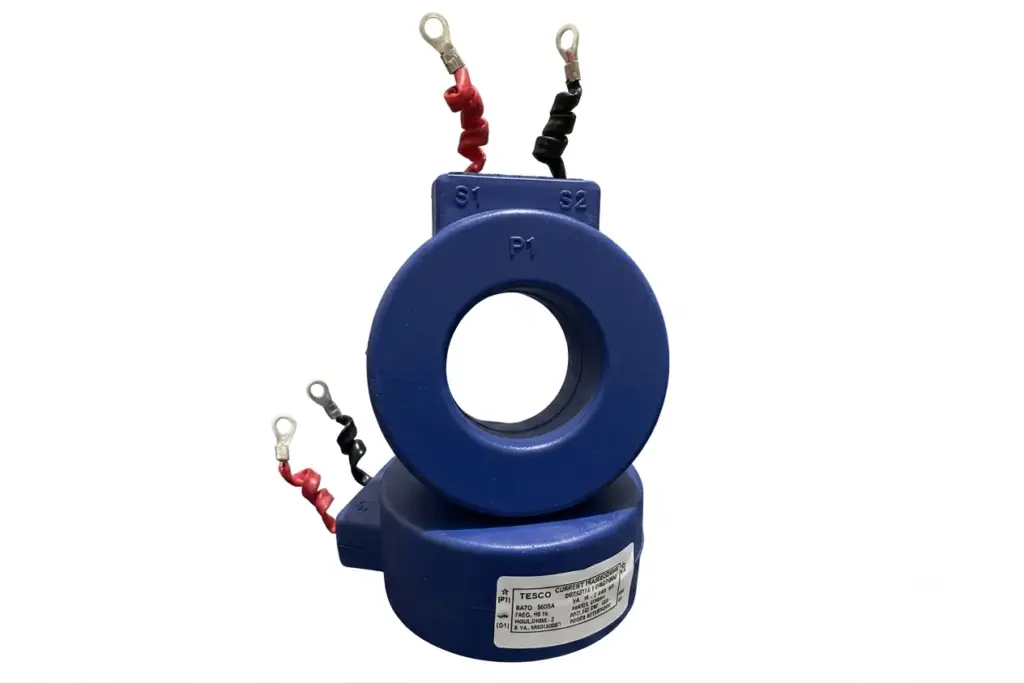
Because the primary winding is physically wound on the core, this CT provides excellent accuracy at relatively low primary currents. It is commonly used in laboratory testing, precision metering, and industrial control systems where measurement accuracy is critical.
Compared with other types of current transformer, the wound CT is generally more expensive but offers superior performance in low-current applications.
Bar Type Current Transformer
A bar type current transformer is a type of current transformer in which the primary winding consists of a solid conductor or busbar permanently built into the CT. This conductor acts as a single-turn primary winding, while the secondary winding is wound around a laminated magnetic core to produce a reduced current proportional to the primary current.
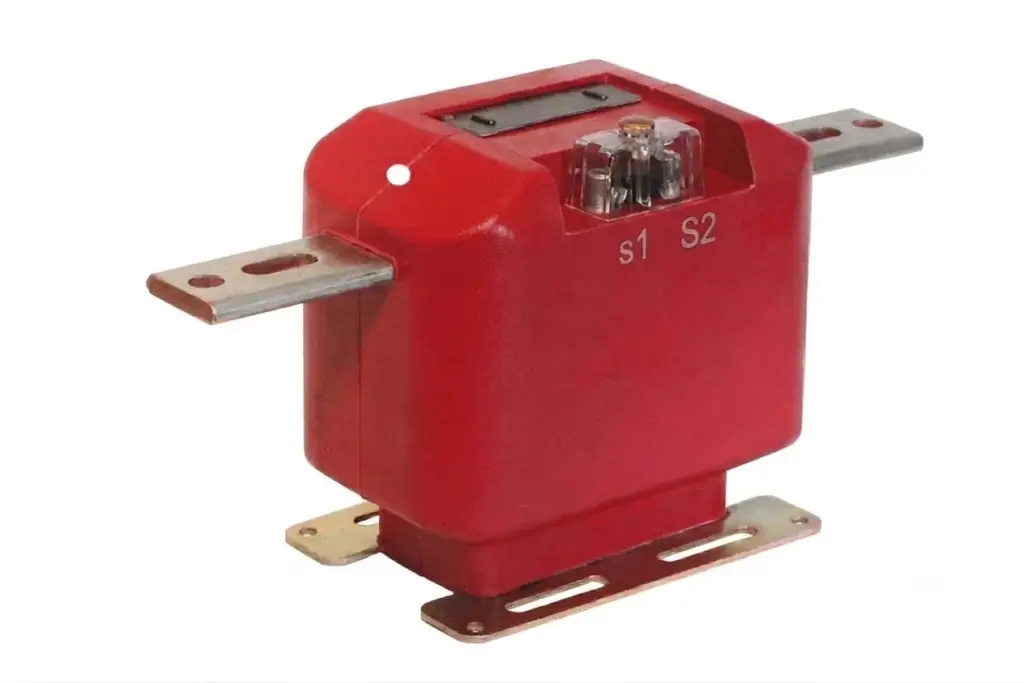
The robust construction of a bar type CT enables it to withstand high fault currents, mechanical stresses, and short-circuit forces. It is commonly used in switchgear, substations, power distribution systems, and industrial installations where high current measurement and protection are required.
Compared with wound current transformers, bar type CTs are better suited for permanent installations carrying high currents due to their simple construction, high mechanical strength, and reliable performance.
Window Current Transformer
A window current transformer does not have a dedicated primary winding. Instead, the power conductor or cable passes through the opening (window) of the transformer and acts as the primary winding.
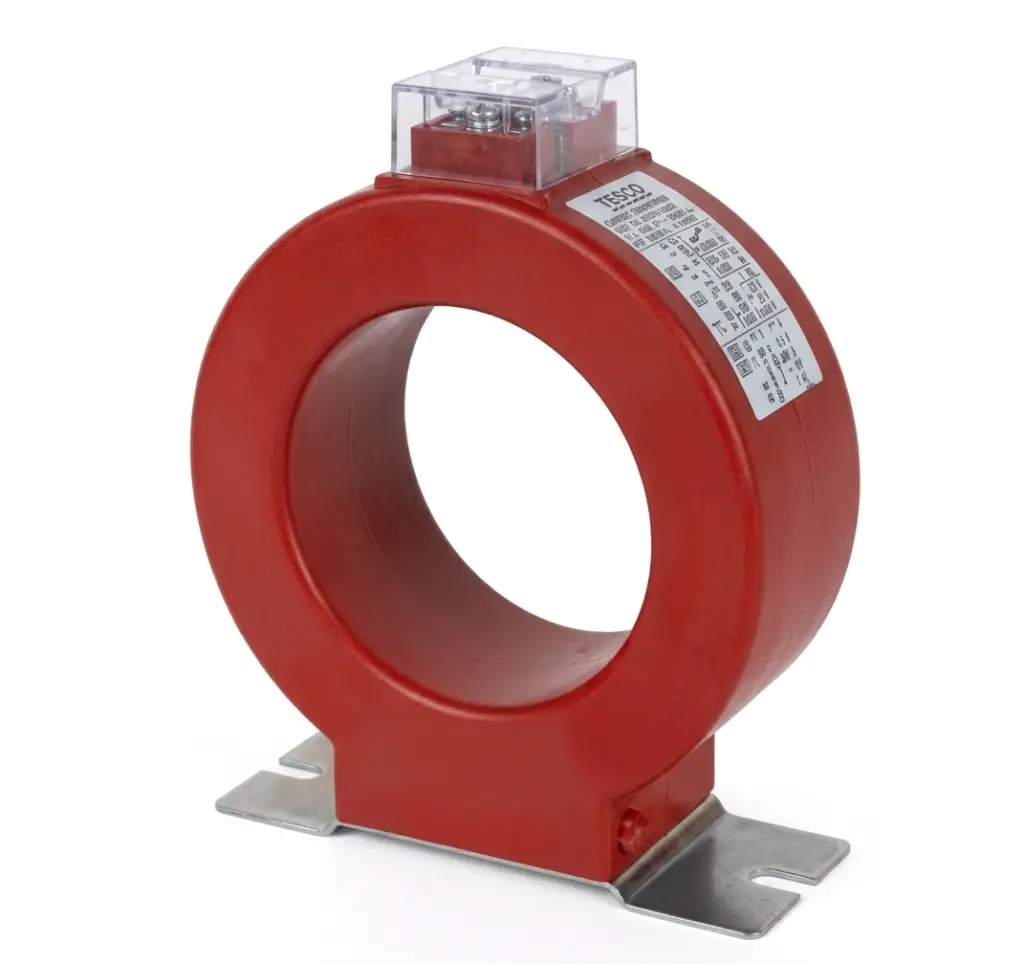
This simple design makes the window CT one of the most widely used types of current transformer in electrical installations. It is commonly installed in motor control centers, switchboards, and power distribution panels.
Its compact construction, low cost, and ease of installation make it suitable for a wide range of industrial and commercial applications.
Ring Type Current Transformer
A ring type current transformer is similar to a window CT but has a circular or toroidal magnetic core. The conductor passes through the center of the ring and functions as the primary winding.
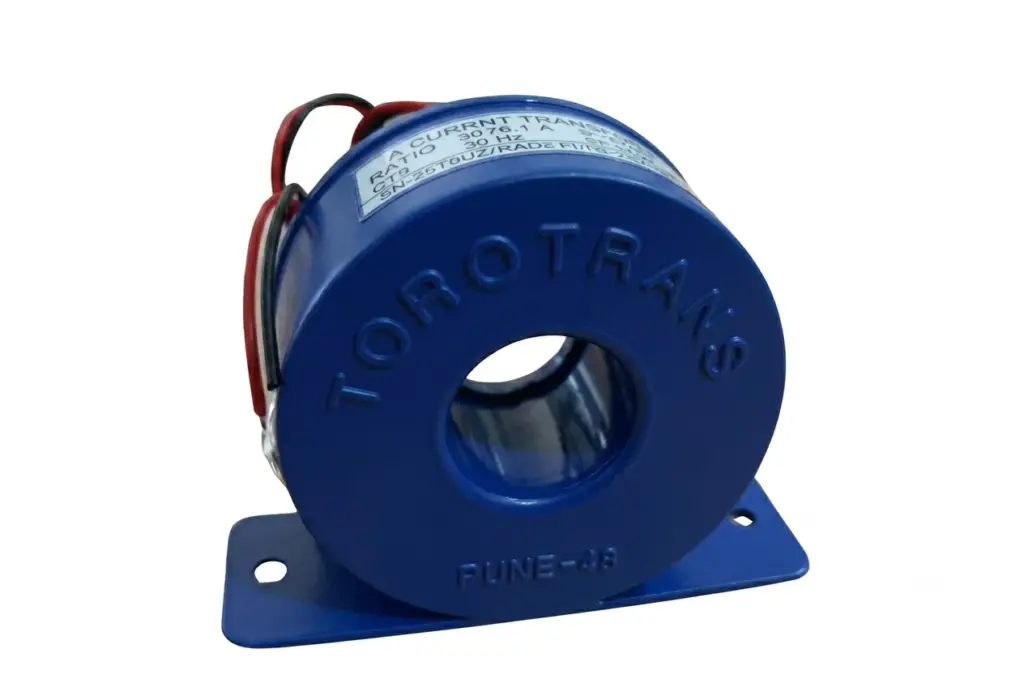
The toroidal core provides efficient magnetic coupling, resulting in good measurement accuracy and low leakage flux.
Ring type CTs are commonly used in compact electrical panels, energy metering systems, and distribution boards.
Split-Core Current Transformer
A split-core current transformer consists of a magnetic core divided into two sections that can be opened and closed around an existing conductor.
Unlike solid-core CTs, it can be installed without disconnecting the conductor, making it an excellent choice for retrofit projects, temporary measurements, and energy audits.
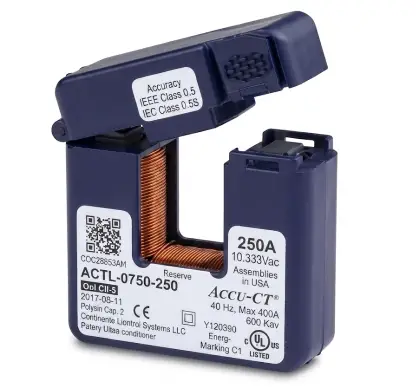
Although split-core CTs are slightly less accurate than solid-core designs, their ease of installation makes them one of the most popular types of current transformer for existing electrical installations.
Bushing Current Transformer
A bushing current transformer (CT) is installed around the insulated bushings of high-voltage equipment such as power transformers and circuit breakers. It uses the existing bushing as part of its structure, allowing current measurement without requiring additional external space.
Because the CT is integrated within the bushing assembly, it offers a compact and space-saving design while maintaining accurate current measurement for protection and metering purposes.
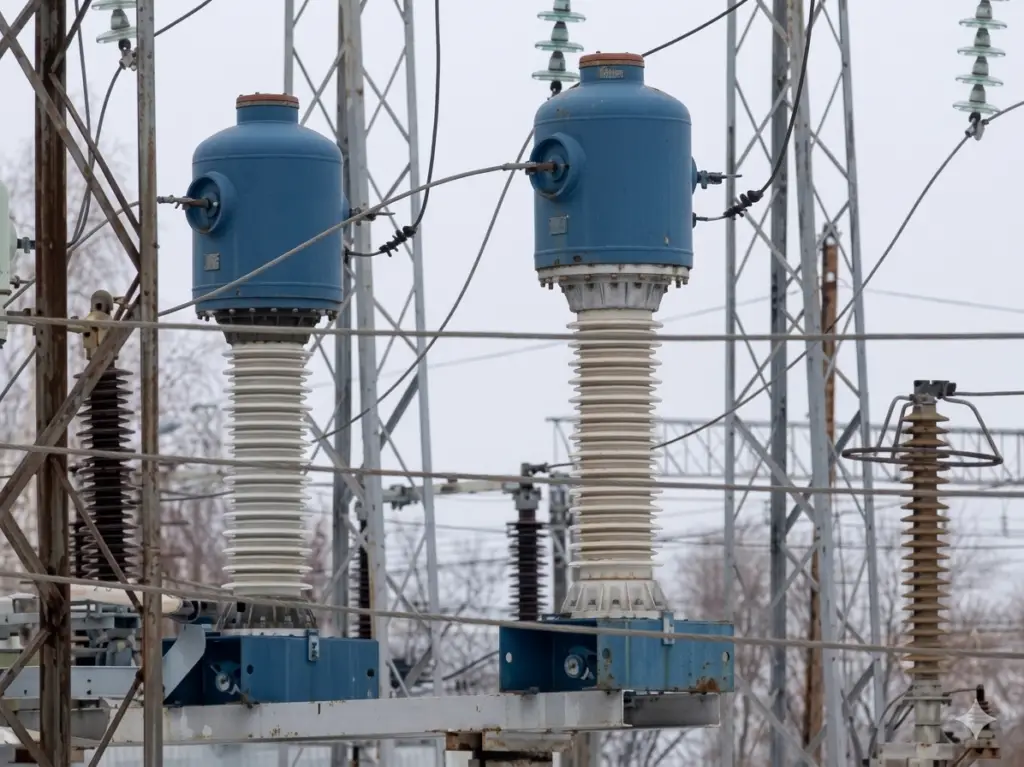
Bushing CTs are commonly used in transmission and distribution substations where high insulation levels, reliability, and compact installation are critical. Their integrated construction also helps improve durability by reducing exposure to external environmental conditions.
Block-Type Current Transformers
Block-type current transformers (CTs) are compact devices designed for installation in limited-space applications such as control panels, switchboards, and distribution boards. Their solid, block-shaped construction allows easy mounting and integration into electrical systems where space optimization is important.
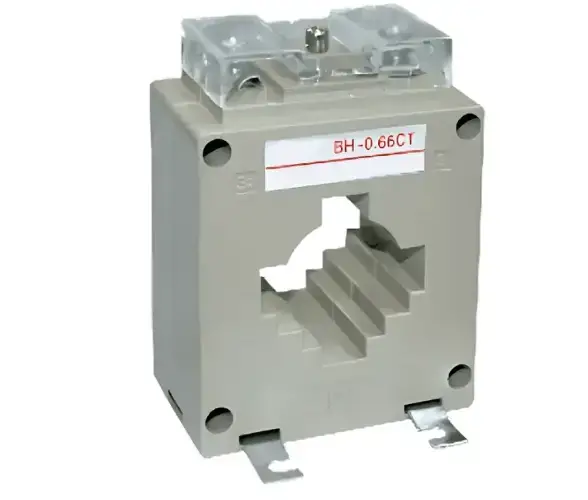
These CTs are mainly used in low and medium-voltage systems for accurate current measurement, metering, and protection functions. Despite their compact size, they provide reliable performance within their specified current rating range.
Block-type CTs are widely preferred in industrial and commercial installations where compact design and efficient space utilization are critical. However, their current-carrying capability is generally lower compared to larger CT types used in high-voltage applications.
Based on Phases
- Single-Phase Current Transformer
- Three-Phase Current Transformer
Single-Phase Current Transformer
A single-phase current transformer is designed to operate in single-phase electrical systems. It has one primary winding and one secondary winding, both mounted on a magnetic core. The primary winding is connected in series with the load or supply line, while the secondary winding provides a reduced current proportional to the primary current for measurement and protection devices.
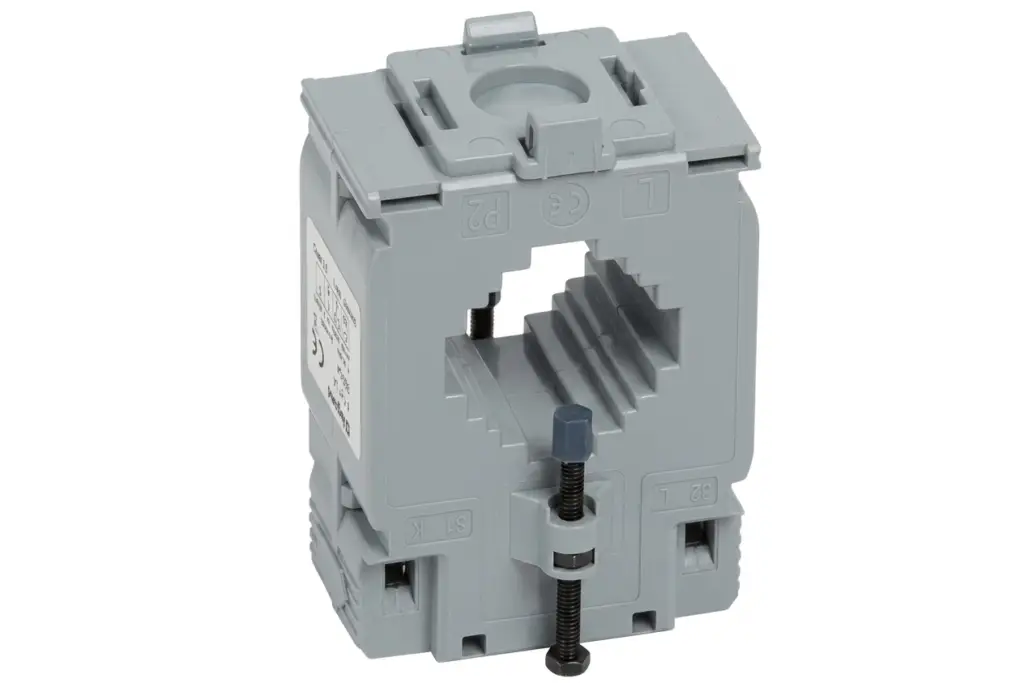
Single-phase CTs are commonly used in residential, commercial, and light industrial power distribution systems. They are preferred in applications where power demand is relatively low and system complexity is minimal. Due to their simple construction, they are easy to install, maintain, and operate while still ensuring reliable current measurement.
Three-Phase Current Transformer
A three-phase current transformer is designed for use in three-phase power systems, which are widely used in industrial plants, power stations, and transmission networks. These CTs are typically constructed using either three separate single-phase cores housed in a single enclosure or a specially designed multi-core structure.
Three-phase CTs allow simultaneous monitoring of all three phases, ensuring accurate measurement and balanced system analysis. They are widely used for metering, protection, energy management, fault detection, and power quality monitoring in complex electrical networks.
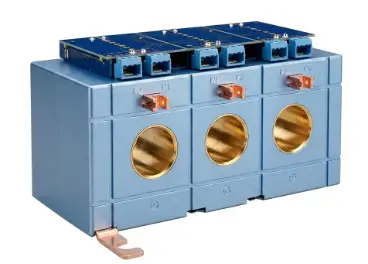
Because of their ability to handle higher loads and provide comprehensive system data, three-phase CTs are essential in high-capacity power distribution and industrial applications.
Based on Application
- Metering Current Transformer
- Protection Current Transformer
Metering Current Transformer
A metering current transformer is specifically designed to provide high measurement accuracy under normal operating conditions. It is commonly used with energy meters, ammeters, multifunction meters, and monitoring equipment.
Metering CTs are defined by specific accuracy classes such as 0.1, 0.2, 0.5, 1, and 3, depending on the required level of precision. Among these, classes like 0.1 and 0.2 are used for high-precision energy metering, while 0.5 and 1 are commonly used for general-purpose measurement applications.
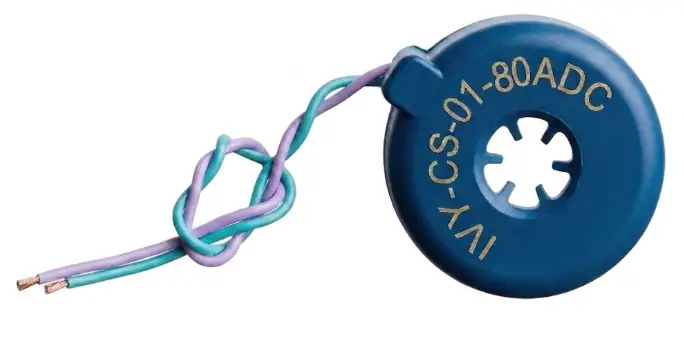
Metering CTs are manufactured with accuracy classes that ensure precise current measurement within their specified operating range.
Protection Current Transformer
A protection current transformer is designed to accurately reproduce fault currents and supply them to protective relays.
Unlike metering CTs, protection CTs must remain accurate during short circuits and overload conditions so that protection systems can operate correctly.
A common protection accuracy class is 5P20, where 5P indicates that the composite error is within 5% at rated accuracy limit conditions, and 20 represents an Accuracy Limit Factor (ALF) of 20, meaning the CT can maintain accuracy up to 20 times its rated current under fault conditions.
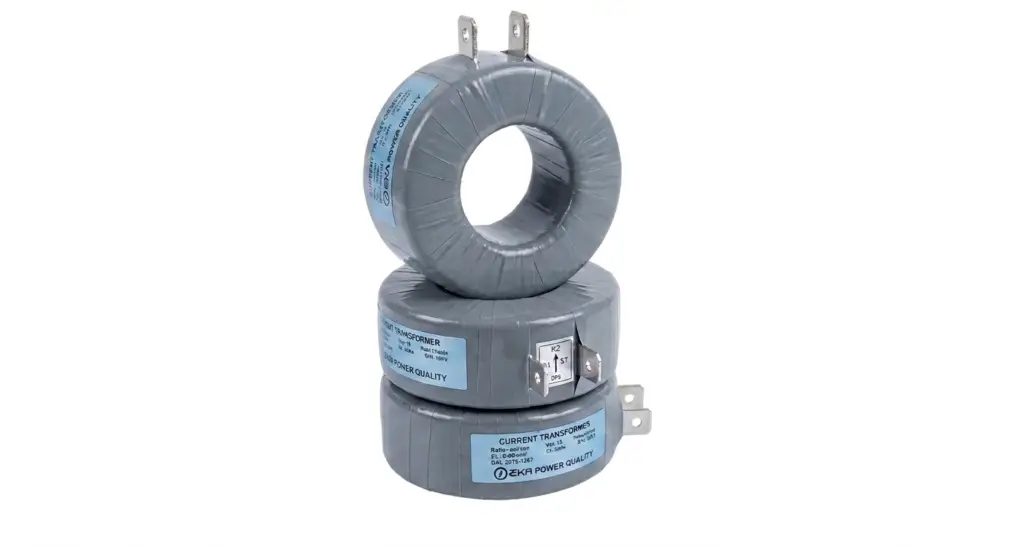
Their performance is evaluated using parameters such as Accuracy Limit Factor (ALF), knee point voltage, and excitation characteristics.
In addition to standard protection classes, special protection classes such as PS (Protection Special) class CTs are also used. PS class CTs are high-accuracy protection CTs designed for demanding protection schemes like differential protection.
Special-purpose current transformers:
- Core Balance Current Transformer (CBCT)
- Summation Current Transformer
Core Balance Current Transformer (CBCT)
A core balance current transformer is used for earth fault and leakage current protection. All phase conductors pass through the same magnetic core.
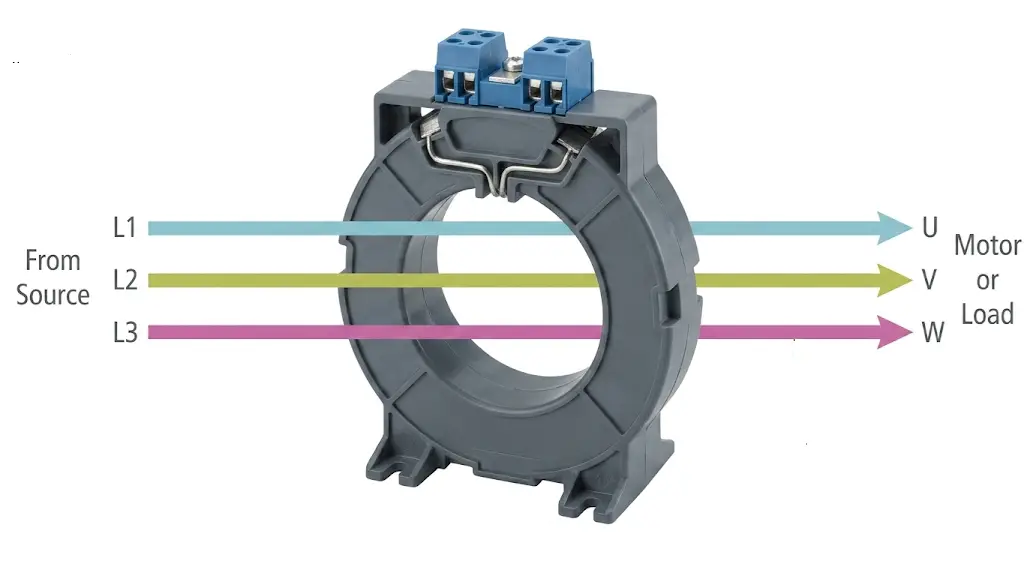
Under normal operating conditions, the vector sum of the currents is zero. During an earth fault, an imbalance occurs, causing the CT to produce an output signal that operates the protective relay.
Summation Current Transformer
A summation current transformer combines the secondary currents of two or more CTs into a single proportional output.
It is commonly used in multi-feeder systems, energy metering applications, and protection schemes where the total current from multiple circuits must be monitored.
Comparison of Types of Current Transformers
| CT Type | Primary Arrangement | Typical Application |
| Wound CT | Primary winding on core | Precision measurement |
| Bar Type CT | Solid bar conductor | High-current switchgear |
| Window CT | Conductor through window | General industrial use |
| Ring Type CT | Toroidal core | Metering panels |
| Split-Core CT | Hinged core | Retrofit installations |
| Bushing CT | Around equipment bushing | High-voltage substations |
| Metering CT | Instrument measurement | Energy metering |
| Protection CT | Protective relays | Fault protection |
| CBCT | All phases through one core | Earth fault protection |
| Summation CT | Multiple CT inputs | Multi-feeder monitoring |
How to Select the Right Type of Current Transformer
The selection of a current transformer depends on several factors, including the primary current, installation method, accuracy requirements, burden, available space, and whether the CT will be used for metering or protection. Environmental conditions, insulation level, and future maintenance requirements should also be considered before selecting a suitable CT.
Applications of Different Types of Current Transformer
Different types of current transformer are used in:
- Electrical substations
- Power generation plants
- Industrial distribution systems
- Motor control centers
- Energy metering systems
- Protective relay circuits
- Power quality monitoring
- Renewable energy installations
Conclusion
The various types of current transformer are designed to meet different installation, measurement, and protection requirements in electrical power systems. Understanding the characteristics of each CT type helps engineers and technicians select the most suitable transformer for their application. By choosing the correct CT type, electrical systems can achieve accurate metering, dependable protection, and improved operational reliability.
Frequently Asked Questions
The main types of current transformer include wound, bar type, window, ring type, split-core, bushing, metering, protection, core balance, and summation current transformers.
Window current transformers are among the most commonly used because of their simple construction, ease of installation, and wide range of applications.
A metering CT is optimized for accurate current measurement during normal operating conditions, whereas a protection CT is designed to maintain accuracy during fault conditions to ensure reliable relay operation.
Read Next: