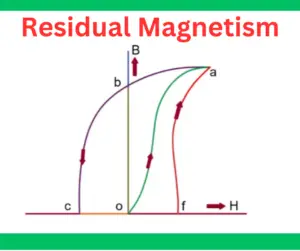
What is Residual Magnetism? – Its Types
Residual magnetism refers to the remaining magnetization in a circuit after removing the external magnetic field. This article describes the residual magnetism and its types.
Residual magnetism refers to the remaining magnetization in a circuit after removing the external magnetic field. This article describes the residual magnetism and its types.
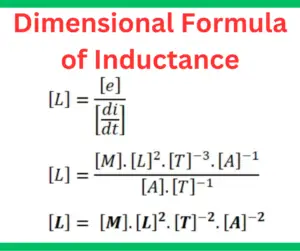
The dimensional formula of inductance is [ML2T−2A−2]. In this article, we will derive this dimensional formula of inductance. What is a Dimensional Formula? The dimensional
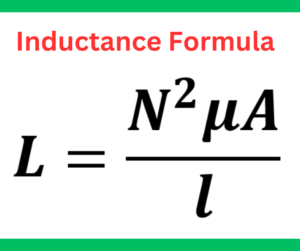
The inductance formula calculates the inductance of the inductor. This article describes the inductance formula and how to calculate inductance. When electric current flows through
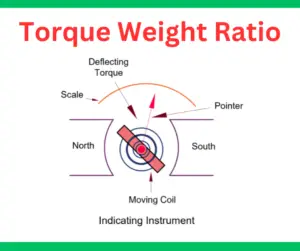
The ratio of torque to the weight of the moving part of an instrument is known as a torque/weight ratio. This ratio affects the instrument’s
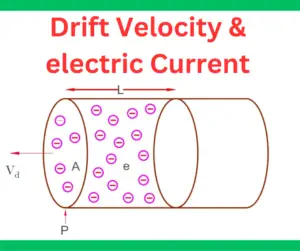
When an electric field is applied to a conductor, free electrons begin to move slowly in the opposite direction of the field. The average velocity
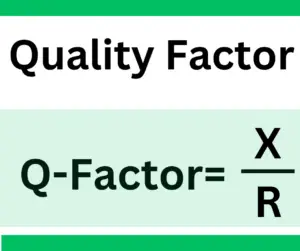
The Quality factor or Q-Factor of a resonant circuit can be defined as the measurement of “quality” or “betterness” of a resonant circuit as far
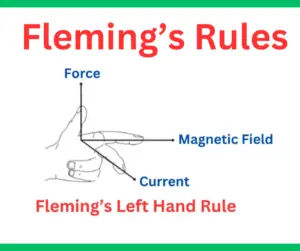
In this article, we will learn about two fundamental Fleming rules given by John Ambrose Fleming, known as Fleming’s Left Hand Rule and Fleming’s Right
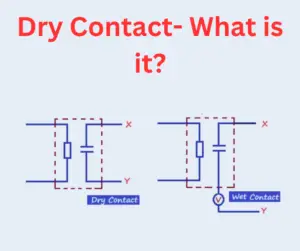
A dry contact is an electrically isolated switch or relay contact that does not provide its own voltage to the connected circuit. The external circuit
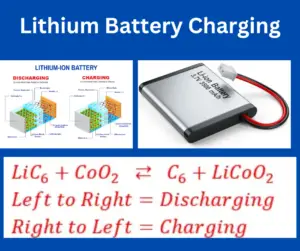
Lithium batteries necessitate a charging algorithm that upholds a constant current constant voltage (CCCV) during the charging process. In other words, a Li-Ion battery should
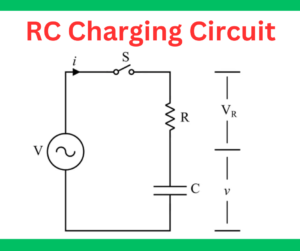
This article describes the RC charging circuit and RC network time constant. A capacitor does not instantly charge, and the voltage across the capacitor builds