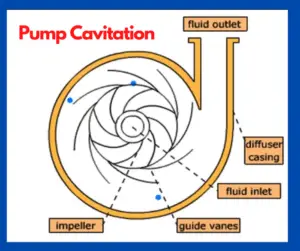
What is Pump Cavitation? Types, Causes, and Prevention
Pump Cavitation is a phenomenon by which gas or vapor bubbles produces in a fluid as a result of changes in pressure or temperature. When
Pump Cavitation is a phenomenon by which gas or vapor bubbles produces in a fluid as a result of changes in pressure or temperature. When
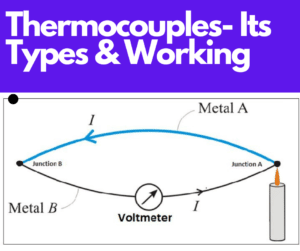
What is a Thermocouple? A thermocouple is a temperature sensor that functions on the principle of thermoelectric effect. The thermoelectric effect converts the temperature difference
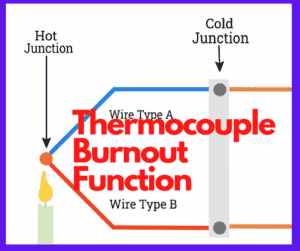
Thermocouple burnout detection is very important for ensuring no tripping of the plant if the thermocouple sensor opens. The thermocouple has two dissimilar materials joined
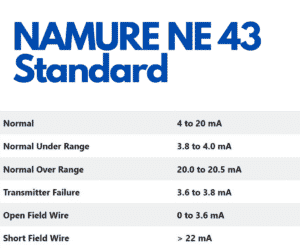
NAMUR NE 43 is a standard that defines the operating AO-LL and AO-UL values. The transmitter outputs a 4-20 mA current. However, as per NAMUR
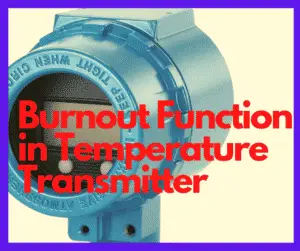
Burnout Function in Temperature Transmitter is a very important feature that saves the plant and equipment. In this article, we will discuss the burnout function
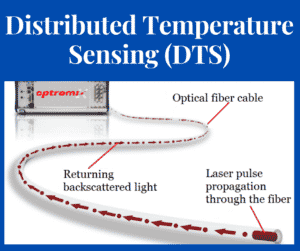
Distributed Temperature Sensing (DTS) is very useful for finding out the temperature profile of the transmission line. The abnormal temperature at any point of the
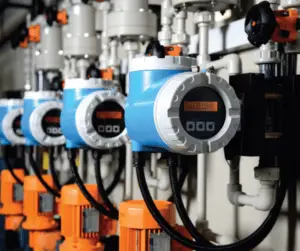
Instrumentation & Control is the branch of engineering that deals with process measurement and its control. The various industrial processes require a series of measurements &
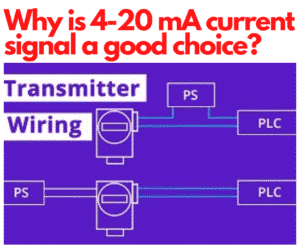
We use a 4-20 mA current signal instead of a voltage signal because the current signal has numerous advantages. In this article, we will discuss

An impulse line conveys process pressure output accurately from the pipe tapping point to the transmitter. An Impulse line is a part of the process
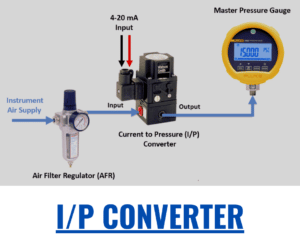
I/P converter is a current to pressure transducer that works on the flapper nozzle method. I/P converter translates the input 4 to 20mA current signal into