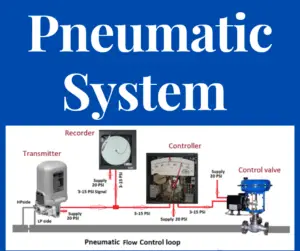
What is a Pneumatic system and Instrumentation?
Pneumatics is the technology that uses compressed air as a means of transmitting the energy necessary to move and operate mechanisms. Air is an elastic
Pneumatics is the technology that uses compressed air as a means of transmitting the energy necessary to move and operate mechanisms. Air is an elastic
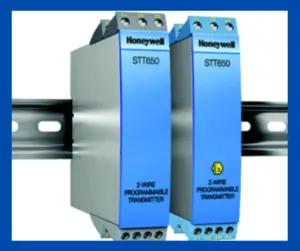
A temperature transmitter is an electronic device that receives input from sensors like RTD or thermocouple installed in the field, and converts the received input
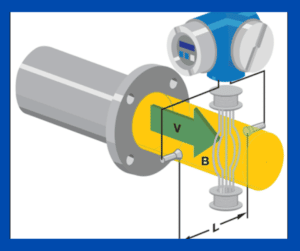
Magnetic flow meters are one of the most commonly used flow meters used in industries. Flow is one of the most important parameters in any
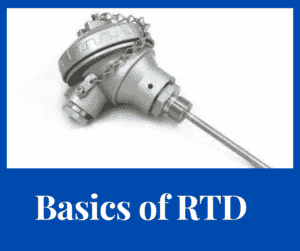
We will discuss the basics of resistance temperature detectors (RTD) in this article. The resistance temperature detector is one of the most common devices used

We will discuss the advantages and disadvantages of the gate valve in this article. Gate valves are most suitable where we require uninterrupted circulation and
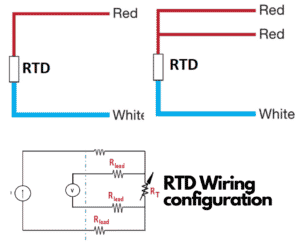
RTDs are used to measure the temperature of the process, bearings, and motor windings. RTD’s resistance changes with change in temperature and this is used
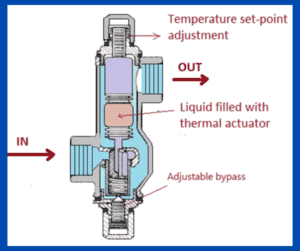
A self-actuated temperature regulator decrease or increase the fluid flow rate according to the rise or fall of the temperature at the measuring point. Thus,
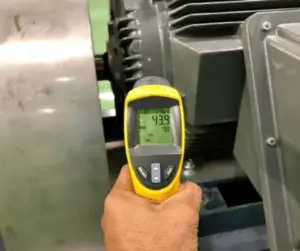
We will discuss the working of infrared thermometers in this post. The infrared thermometer is an instrument that measures the temperature of a hot object
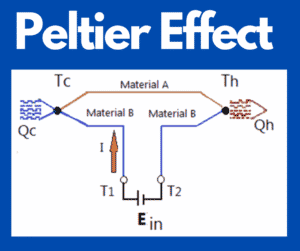
Jean Charles Peltier a French physicist 1834 discovered the thermoelectric effect while doing his research on electricity. The Peltier effect consists of passing a current

The thermocouple compensation cable is the bridge between the thermocouple and the transmitter transmitting the temperature signal. We will discuss thermocouple compensation cable in this