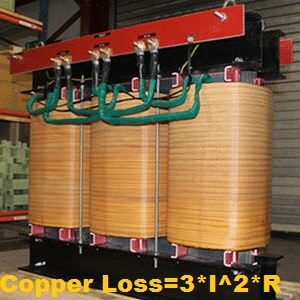
Copper Loss in Transformer – Explanation, Formula & Reduction Methods
The copper loss in the transformer is equal to the I2R loss. The copper loss is very important for the calculation of the transformer efficiency.
The copper loss in the transformer is equal to the I2R loss. The copper loss is very important for the calculation of the transformer efficiency.
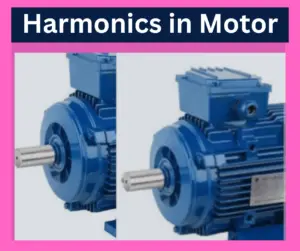
Harmonics in induction motors adversely affects motor performance, leading to temperature rise and increased losses, decreased torque, and noise problems.In VFD-fed systems, harmonics distort waveforms
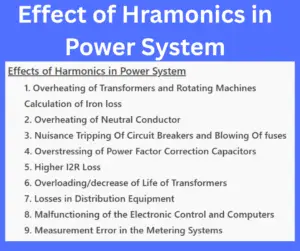
Harmonics in power systems are unwanted frequency components that distort voltage and current waveforms. These harmonics cause numerous problems such as overheating, increased losses, resonance,
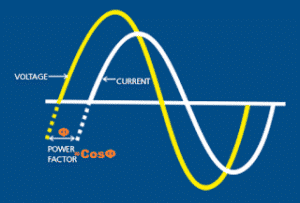
What is True Power Factor? The true power factor is the product of the displacement power factor and the distortion power factor. The displacement power
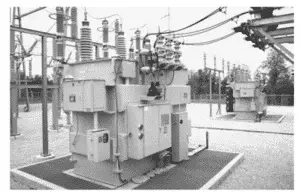
Transformers, even when not supplying any load, consume power—this is known as no-load loss or core loss. These losses occur as soon as the transformer
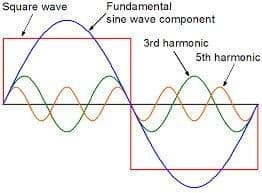
In the early days of industrialization, electrical systems mostly used linear loads—devices like three-phase induction motors, resistive heaters, and incandescent lamps. These systems drew a
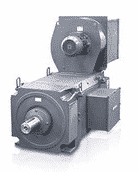
What is Starting Torque of a DC Motor? The starting torque of a DC motor is the maximum torque that a motor can deliver to
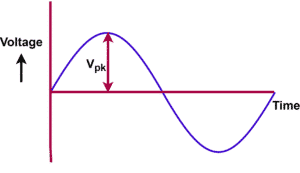
In modern electrical systems, especially with non-linear loads, accurate measurement of AC signals is critical. This is where True RMS measurement outperforms traditional methods. Unlike
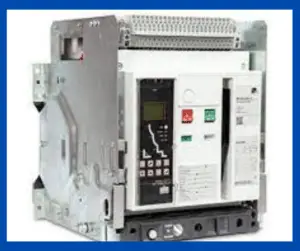
Definition: Breaking capacity or interrupting capacity of the circuit breaker is a crucial parameter for selecting the breaker for the electrical network. The short circuit
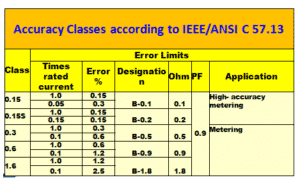
The accuracy class of a CT refers to the permissible error limits of the CT over a specified range of conditions. It ensures that the