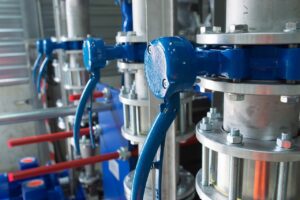
What is Control Valve Cavitation?
Control Valve Cavitation is the rapid creation and subsequent collapse of air bubbles in a fluid. When the internal pressure in a pipe that carries
Control Valve Cavitation is the rapid creation and subsequent collapse of air bubbles in a fluid. When the internal pressure in a pipe that carries
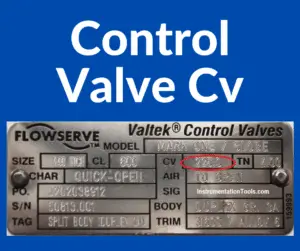
Measurement of the control valve flow coefficient(Cv) is very important for knowing the performance of the control valve. The manufacturer determines the control valve flow
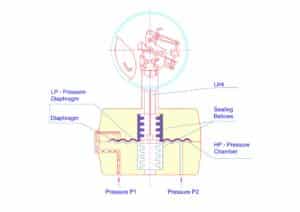
The differential pressure gauge principle is based on measuring the difference between two pressures. As its name suggests, the differential pressure measures the two pressures
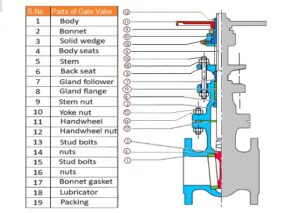
Basics of gate Valves: Gate valve is a linear motion manual wheel, pneumatic, hydraulically actuated on/off service valve. The gate valve outnumbers other valve types
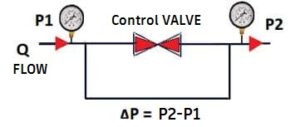
Cv and Kv relationship are very important for valve sizing and fluid flow rate. The flow coefficient Cv is the valve flow coefficient. Flow coefficient Cv and its metric unit Kv are useful for measuring the valve capacity. In other words, Cv and Kv is a useful parameter for calculating the size of the valve and fluid flow rate. The other names of the flow coefficient are the valve capacity constant or valve flow coefficient
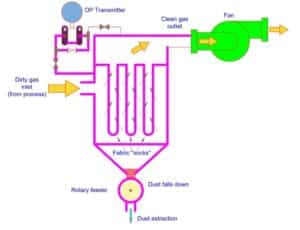
Differential Pressure Measurement across a filter is very important to determine the filtering efficiency of the baghouse. The increased differential pressure across the baghouse (
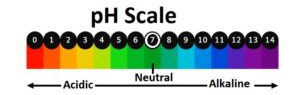
Importance of pH Electrode Calibration The pH measurement accuracy depends on how accurate the calibration of electrodes. The calibration of the pH electrode is very
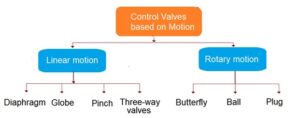
Classification of Control Valves: We can classify the Control valves based on the application, function, motion, port size, and failure states. According to the classification
There are three types of control valve noise. The mechanical vibration of components Hydrodynamic noise Aerodynamic noise Mechanical Noise in Control Valve The mechanical noise
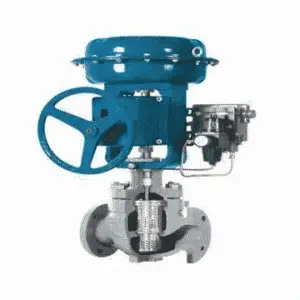
There are two basic approaches of controlling valve noise are source treatment and path treatment. The source treatment noise suppresses excessive noise generated within the