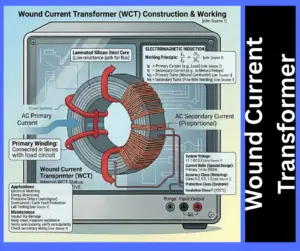
Wound Current Transformer (WCT)
A Wound Current Transformer (WCT) is a type of instrument transformer in which the primary winding is directly connected in series with the electrical circuit,
An electrical machine converts mechanical energy into electrical energy or vice versa. The transformer is also an electrical machine which transform the voltage without changing the frequency. We will discuss about the;
A Wound Current Transformer (WCT) is a type of instrument transformer in which the primary winding is directly connected in series with the electrical circuit,
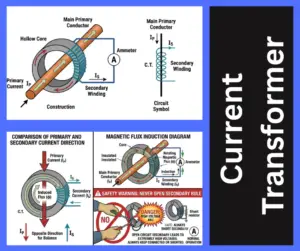
A current transformer (CT) is an instrument transformer that reduces high alternating current (AC) to a safe, standardized current. The secondary output is typically 5
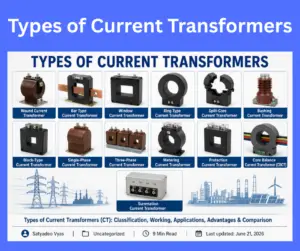
A current transformer (CT) is an instrument transformer used in electrical power systems to reduce high alternating current to a standardized low current, typically 1
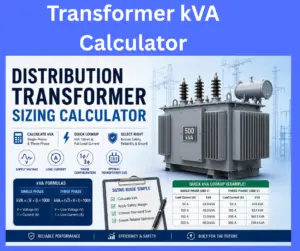
A distribution transformer sizing calculator helps you determine the required transformer kVA based on the supply voltage, load current, and phase configuration. Selecting the correct
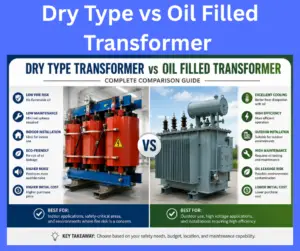
Choosing between a dry-type transformer and an oil-filled transformer is a common challenge in electrical power systems. Both transformer types perform the same basic function,
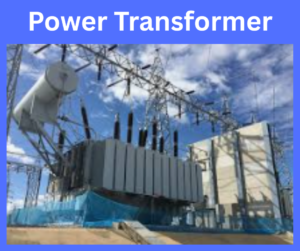
A power transformer is a stationary electrical device designed to transfer energy between two circuits while keeping the frequency unchanged. It operates on the principle
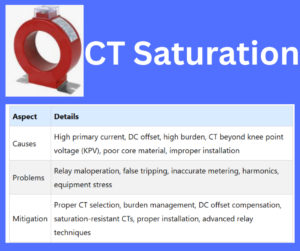
Current Transformers (CTs) are critical components in power systems, used to step down high currents to safe levels for protection relays, meters, and monitoring devices.
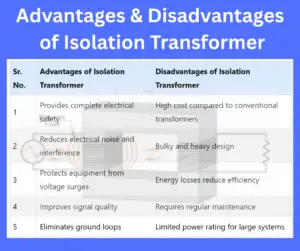
Isolation transformers are essential electrical devices used to decouple two circuits, ensuring power transfer without a direct electrical connection. They are widely used in hospitals,
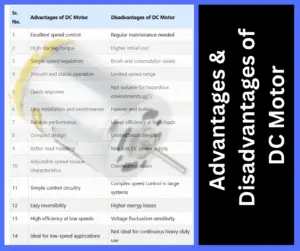
DC motors are widely used in electric vehicles, industrial machinery, robotics, and automation systems. They are known for their excellent speed control, quick response, and
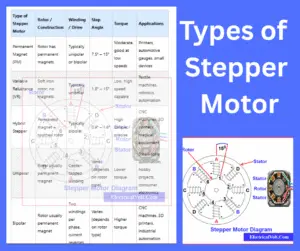
Stepper motors are essential in applications requiring precise motion control, such as robotics, CNC machines, 3D printers, and automation systems. Unlike conventional motors, stepper motors