Skip to content
Electrical Volt

Electrical Volt

  • Home
  • Q & A
    • Interview
      • Electrical
        • Induction Motor
        • DC Motor
        • DC Generator
        • Synchronous Machine
        • Transformer
      • Instrumentation
      • Electronics
    • MCQ
  • Measure
    • Basics
    • Control Valve
    • Temperature
    • Analyzers
    • Calibration
    • Flow
    • Level
    • Pressure
    • Solenoid Valves
    • Switches
    • Conductivity
    • Humidity
  • Electrical
    • Basics
      • Basic Electrical
      • Utilities
      • Circuit Theory
      • Electrical Laws
      • Electrical Materials
      • Batteries
      • Measurement
      • Maintenance Engg.
    • Machines
      • DC Motor
      • DC Generator
      • Induction Motor
      • Transformer
      • Electrical Drives
    • Power System
      • Generation
      • Switchgear
      • Distribution
      • Transmission
      • Protection
      • Electrical Safety
      • Power Quality
      • cable
  • Automation
    • Communication
    • Control System
    • Fire and Gas System
    • PLC
    • Safety Instrumented System (SIS)
  • Electronics
    • Analog Electronics
    • Communication
    • Digital Electronics
    • Electronic Devices
    • Medical Electronics
    • Power Electronics
    • VLSI
    • Computer

AC power

Why Power in Pure Inductive and Pure Capacitive Circuit is Zero?

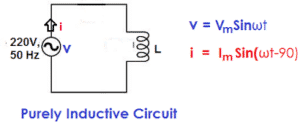
This article describes why the power in pure inductive and capacitive circuits is zero. The inductors and capacitors are the basic building blocks of an

RECENT POSTS

  • Difference Between PLC and Relay Logic
  • Ohm Symbol (Ω): Meaning, History, and Importance in Electrical Engineering
  • Ohm’s Law in Vector Form: Formula, Derivation, Applications
  • Fuse Wire: Working, Types, and Applications
  • Applications of Lenz’s Law
Copyright © 2026 Electrical Volt Contact Us ▪ About Us ▪ Privacy-Policy ▪ Disclaimer