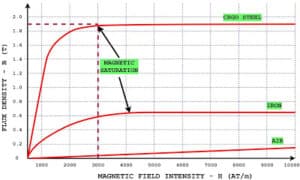
Transformer Over Fluxing Protection
Transformer Over Fluxing Protection protects the core from overheating caused by over-fluxing. The voltage and frequency ratio (V/f) is responsible for over-fluxing in the transformer.
Transformer is the static piece of equipment used for step up and step down the voltage for economic transmission and utilization of electrical power.
In this section we are adding all the technical articles related to transformer like step up transformer, step down transformer, ideal transformer, efficiency and losses, regulation, percentage impedance.
We will also discuss about parallel operation of transformers, copper loss and no load losses and its calculation, all types of routine and type tests, converter duty transformer,dry type transformer, k factor of transformer, maintenance of oil filled and dry type transformer, transformer protection equipment like buccoltz relay, PRD and oil and winding temperature measurement etc.
We will also discuss about the open and short circuit test on transformer.
Transformer Over Fluxing Protection protects the core from overheating caused by over-fluxing. The voltage and frequency ratio (V/f) is responsible for over-fluxing in the transformer.
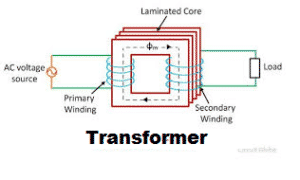
Overfluxing in transformer is a critical condition that occurs when the voltage-to-frequency ratio (V/f) exceeds its designed limit, leading to an abnormal rise in core

💡 Key learnings: BDV Full Form: BDV stands for Breakdown Voltage, the maximum voltage transformer oil can withstand without breakdown. Knowing the BDV test full
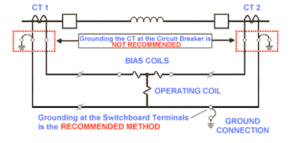
Current transformer (CT) secondary grounding is essential for safety, relay accuracy, and avoiding equipment damage. This article explains why CT secondary is grounded, how CT
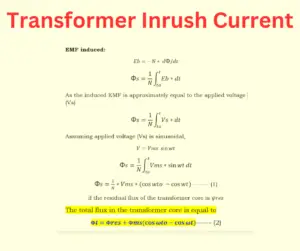
When energizing a power transformer, the transformer draws a magnetizing current. The magnitude of the magnetizing current is several times higher than the rated current
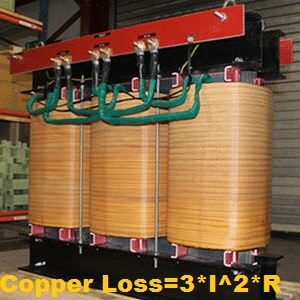
The copper loss in the transformer is equal to the I2R loss. The copper loss is very important for the calculation of the transformer efficiency.
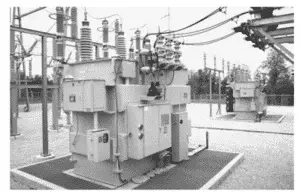
Transformers, even when not supplying any load, consume power—this is known as no-load loss or core loss. These losses occur as soon as the transformer
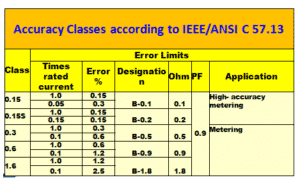
The accuracy class of a CT refers to the permissible error limits of the CT over a specified range of conditions. It ensures that the
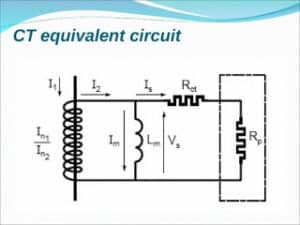
The magnetization curve of the current transformer shows the relationship between the secondary excitation current and secondary excitation voltage. The equivalent circuit diagram of the
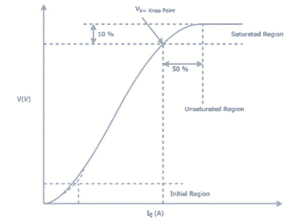
What is the knee point voltage of CT? The knee point is defined as the voltage at which a 10% increase in applied voltage increases the magnetizing current by 50%.