Skip to content
Electrical Volt

Electrical Volt

  • Home
  • Q & A
    • Interview
      • Electrical
        • Induction Motor
        • DC Motor
        • DC Generator
        • Synchronous Machine
        • Transformer
      • Instrumentation
      • Electronics
    • MCQ
  • Measure
    • Basics
    • Control Valve
    • Temperature
    • Analyzers
    • Calibration
    • Flow
    • Level
    • Pressure
    • Solenoid Valves
    • Switches
    • Conductivity
    • Humidity
  • Electrical
    • Basics
      • Basic Electrical
      • Utilities
      • Circuit Theory
      • Electrical Laws
      • Electrical Materials
      • Batteries
      • Measurement
      • Maintenance Engg.
    • Machines
      • DC Motor
      • DC Generator
      • Induction Motor
      • Transformer
      • Electrical Drives
    • Power System
      • Generation
      • Switchgear
      • Distribution
      • Transmission
      • Protection
      • Electrical Safety
      • Power Quality
      • cable
  • Automation
    • Communication
    • Control System
    • Fire and Gas System
    • PLC
    • Safety Instrumented System (SIS)
  • Electronics
    • Analog Electronics
    • Communication
    • Digital Electronics
    • Electronic Devices
    • Medical Electronics
    • Power Electronics
    • VLSI
    • Computer

Satyadeo Vyas

Satyadeo Vyas MTech | MBA | CEng | AMIE (Elec & ECE) | Energy Manager & Auditor Chartered Engineer with 36+ years of industrial experience in power systems, energy auditing, instrumentation, and technical publishing. Founder and Chief Editor of ElectricalVolt.com, dedicated to delivering practical, industry-focused engineering knowledge. View Full Profile →
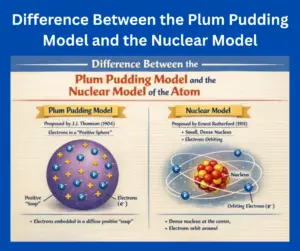
Difference Between the Plum Pudding Model and the Nuclear Model explained

Difference Between the Plum Pudding Model and the Nuclear Model of the Atom

Understanding the structure of the atom is a cornerstone of chemistry and physics. Over time, scientists have proposed multiple models to describe the atom, each

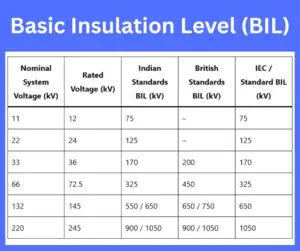
Basic Insulation Level (BIL) explained

Basic Insulation Level (BIL): Definition, Table, Formula, Calculation, and Standards

The basic insulation level(BIL) is a critical parameter in power system engineering that defines the ability of electrical equipment to withstand high-voltage surges caused by

Electric Vehicle Chargers explained: Which One Is Right for You?

Understanding Electric Vehicle Chargers: Which One Is Right for You?

Picking the right electric vehicle chargers for your electric car shouldn’t feel like cracking some impossible code. Here’s the truth: most people who’ve just bought
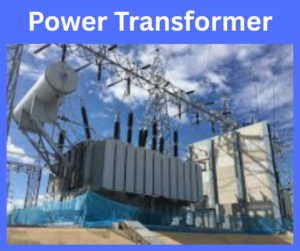
Power Traansformer explained

Power Transformer: Definition, Types, Specifications & Applications

A power transformer is a stationary electrical device designed to transfer energy between two circuits while keeping the frequency unchanged. It operates on the principle
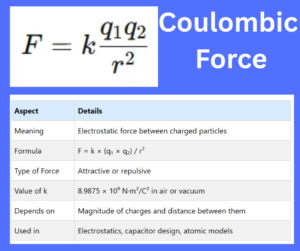
Coulombic Force explained

Coulombic Force – Definition, Meaning, Formula, and Examples

The Coulombic force is one of the most fundamental forces in physics that explains how charged particles interact with each other. Whether it’s the attraction
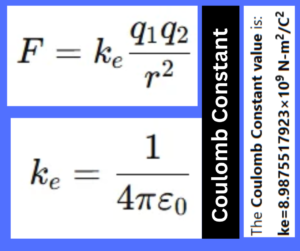
Coulomb Constant explained

Coulomb Constant: Definition, Formula, Value, and Determination

The Coulomb Constant is a fundamental physical constant that appears in Coulomb’s Law, which describes the electrostatic force between two charged particles. It plays a
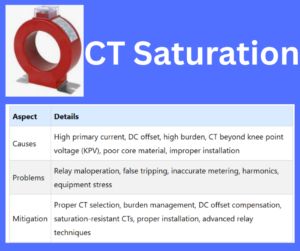
CT Saturation- Reasons,Problems & Mitigation

Current Transformers (CTs) are critical components in power systems, used to step down high currents to safe levels for protection relays, meters, and monitoring devices.
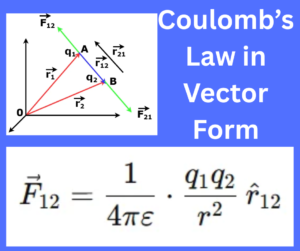
Coulomb’s Law in Vector Form

Coulomb’s Law in Vector Form- Formula, Derivation, Applications

Coulomb’s Law in vector form gives a complete and precise description of the electrostatic force acting between two charged particles. Unlike the scalar form, which
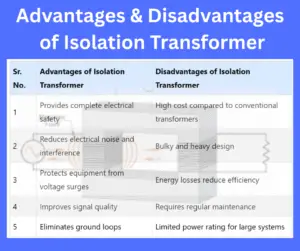
Advantages and Disadvantages of Isolation Transformer

5 Advantages and Disadvantages of Isolation Transformer

Isolation transformers are essential electrical devices used to decouple two circuits, ensuring power transfer without a direct electrical connection. They are widely used in hospitals,
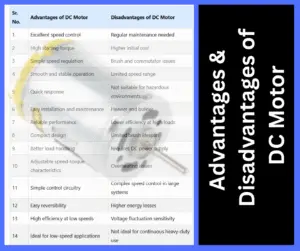
Advantages and Disadvantages of DC Motor

14 Advantages and Disadvantages of DC Motor

DC motors are widely used in electric vehicles, industrial machinery, robotics, and automation systems. They are known for their excellent speed control, quick response, and

Older posts
Newer posts
← Previous Page1 … Page4 Page5 Page6 … Page117 Next →

RECENT POSTS

  • Diode Turn-On Voltage: Working Principle, Values, and Applications
  • Inductive Reactance: Definition, Formula, Unit, and Calculation
  • Types of Linear Motors
  • Linear Induction Motor: Working Principle, Construction, and Applications
  • Induction Motor Working Principle
Copyright © 2026 Electrical Volt Contact Us ▪ About Us ▪ Privacy-Policy ▪ Disclaimer