Skip to content
Electrical Volt

Electrical Volt

  • Home
  • Q & A
    • Interview
      • Electrical
        • Induction Motor
        • DC Motor
        • DC Generator
        • Synchronous Machine
        • Transformer
      • Instrumentation
      • Electronics
    • MCQ
  • Measure
    • Basics
    • Control Valve
    • Temperature
    • Analyzers
    • Calibration
    • Flow
    • Level
    • Pressure
    • Solenoid Valves
    • Switches
    • Conductivity
    • Humidity
  • Electrical
    • Basics
      • Basic Electrical
      • Utilities
      • Circuit Theory
      • Electrical Laws
      • Electrical Materials
      • Batteries
      • Measurement
      • Maintenance Engg.
    • Machines
      • DC Motor
      • DC Generator
      • Induction Motor
      • Transformer
      • Electrical Drives
    • Power System
      • Generation
      • Switchgear
      • Distribution
      • Transmission
      • Protection
      • Electrical Safety
      • Power Quality
      • cable
  • Automation
    • Communication
    • Control System
    • Fire and Gas System
    • PLC
    • Safety Instrumented System (SIS)
  • Electronics
    • Analog Electronics
    • Communication
    • Digital Electronics
    • Electronic Devices
    • Medical Electronics
    • Power Electronics
    • VLSI
    • Computer

potential difference and emf

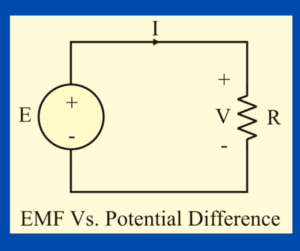
Difference between Electromotive Force and Potential Difference

The electromotive force shows the amount of energy given to each coulomb of charge. On the other hand, the potential difference shows the amount of

RECENT POSTS

  • PLC vs RTU: 15 Key Differences, Applications, Cost & Performance Comparison
  • Types of Faults in Underground Cables & Detection Methods
  • 14 Advantages and Disadvantages of Underground Cables
  • PLC: Programmable Logic Controller
  • Difference Between PLC and Relay Logic
Copyright © 2026 Electrical Volt Contact Us ▪ About Us ▪ Privacy-Policy ▪ Disclaimer