Skip to content
Electrical Volt

Electrical Volt

  • Home
  • Q & A
    • Interview
      • Electrical
        • Induction Motor
        • DC Motor
        • DC Generator
        • Synchronous Machine
        • Transformer
      • Instrumentation
      • Electronics
    • MCQ
  • Measure
    • Basics
    • Control Valve
    • Temperature
    • Analyzers
    • Calibration
    • Flow
    • Level
    • Pressure
    • Solenoid Valves
    • Switches
    • Conductivity
    • Humidity
  • Electrical
    • Basics
      • Basic Electrical
      • Utilities
      • Circuit Theory
      • Electrical Laws
      • Electrical Materials
      • Batteries
      • Measurement
      • Maintenance Engg.
    • Machines
      • DC Motor
      • DC Generator
      • Induction Motor
      • Transformer
      • Electrical Drives
    • Power System
      • Generation
      • Switchgear
      • Distribution
      • Transmission
      • Protection
      • Electrical Safety
      • Power Quality
      • cable
  • Automation
    • Communication
    • Control System
    • Fire and Gas System
    • PLC
    • Safety Instrumented System (SIS)
  • Electronics
    • Analog Electronics
    • Communication
    • Digital Electronics
    • Electronic Devices
    • Medical Electronics
    • Power Electronics
    • VLSI
    • Computer

direction of electric current in a circuit

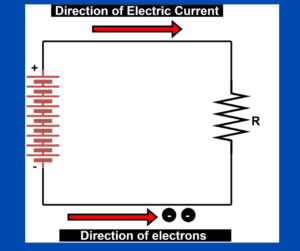
Direction of Electric Current: Conventional Current vs Electron Flow

Electricity powers almost everything around us, from household appliances to advanced industrial machines. One of the most fundamental concepts in understanding electricity is the direction

RECENT POSTS

  • HV: High Voltage- Meaning, Applications, Safety, and Importance
  • Bimetals: Definition, Properties, and Applications
  • Battery Reserve Capacity: Meaning, Importance, and Key Factors
  • What is the Difference Between CCA and Ah of a Battery?
  • CCA vs. CA: What Is the Difference Between CCA and CA in Car Batteries?
Copyright © 2026 Electrical Volt Contact Us ▪ About Us ▪ Privacy-Policy ▪ Disclaimer