Skip to content
Electrical Volt

Electrical Volt

  • Home
  • Q & A
    • Interview
      • Electrical
        • Induction Motor
        • DC Motor
        • DC Generator
        • Synchronous Machine
        • Transformer
      • Instrumentation
      • Electronics
    • MCQ
  • Measure
    • Basics
    • Control Valve
    • Temperature
    • Analyzers
    • Calibration
    • Flow
    • Level
    • Pressure
    • Solenoid Valves
    • Switches
    • Conductivity
    • Humidity
  • Electrical
    • Basics
      • Basic Electrical
      • Utilities
      • Circuit Theory
      • Electrical Laws
      • Electrical Materials
      • Batteries
      • Measurement
      • Maintenance Engg.
    • Machines
      • DC Motor
      • DC Generator
      • Induction Motor
      • Transformer
      • Electrical Drives
    • Power System
      • Generation
      • Switchgear
      • Distribution
      • Transmission
      • Protection
      • Electrical Safety
      • Power Quality
      • cable
  • Automation
    • Communication
    • Control System
    • Fire and Gas System
    • PLC
    • Safety Instrumented System (SIS)
  • Electronics
    • Analog Electronics
    • Communication
    • Digital Electronics
    • Electronic Devices
    • Medical Electronics
    • Power Electronics
    • VLSI
    • Computer

current of parallel circuit

Parallel Circuits and the Application of Ohm’s Law

Parallel Circuits and the Application of Ohm’s Law

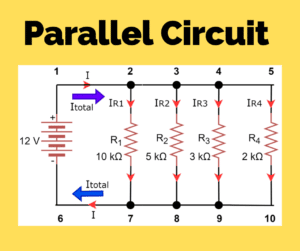
In parallel circuits, the voltage differences across all the electrical components are equal. It means the component share the same electrical nodes. The total circuit

RECENT POSTS

  • Understanding Electric Vehicle Chargers: Which One Is Right for You?
  • Power Transformer: Definition, Types, Specifications & Applications
  • Coulombic Force – Definition, Meaning, Formula, and Examples
  • Coulomb Constant: Definition, Formula, Value, and Determination
  • CT Saturation- Reasons,Problems & Mitigation
Copyright © 2025 Electrical Volt Contact Us ▪ About Us ▪ Privacy-Policy ▪ Disclaimer