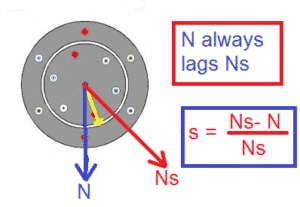
What is the importance of slip in an induction motor?
The induction motor can’t run if there is no slip. What is a slip of an induction motor? Let us first understand the slip of
An electrical machine converts mechanical energy into electrical energy or vice versa. The transformer is also an electrical machine which transform the voltage without changing the frequency. We will discuss about the;
The induction motor can’t run if there is no slip. What is a slip of an induction motor? Let us first understand the slip of
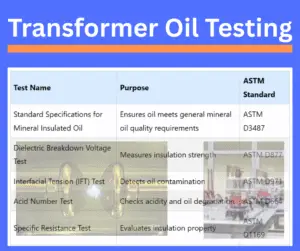
💡 Key learnings: Transformer Oil Defined: Transformer oil (insulating oil) is essential for cooling, insulation, and protecting transformers from oxidation. Types of Transformer Oil: Two
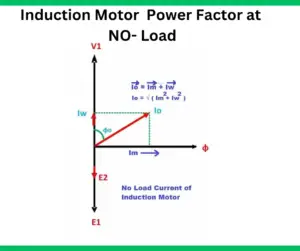
Induction motors have a low power factor at no load because they draw a large magnetizing current to create the magnetic field, while the actual
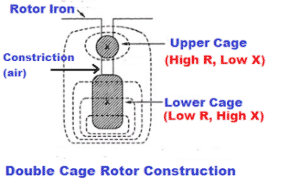
💡 Key learnings: Deep Bar Double Cage Induction Motor Definition: A motor with a double-layered rotor designed to enhance starting torque and efficiency. Starting Torque

Transformers are always rated in kVA (kilovolt-amperes) rather than kW (kilowatts) because their design is based on voltage and current capacity, not the power factor

🔎 Quick Summary – Key Learnings from the Acidity Test of Transformer Oil Purpose: Measures the amount of potassium hydroxide (KOH) needed to neutralize acids
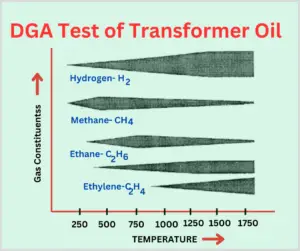
💡 Key learnings: DGA Definition: Dissolved gas analysis of transformer oil is a method used to examine gases formed due to thermal and electrical stresses
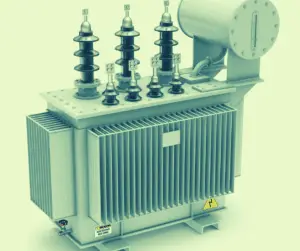
A transformer is an essential electrical device that changes the voltage level of alternating current (AC) without altering its frequency. The working principle of a
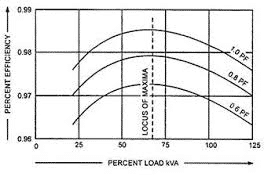
The transformer is a vital link between the load and the supply. The efficiency of the transformer is very important in view of energy saving.
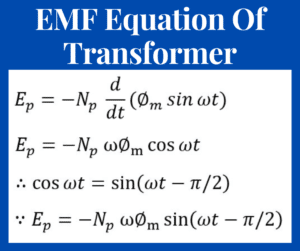
Understanding the EMF equation of transformer is essential to grasp how transformers work. When a sinusoidal AC voltage is applied to the primary coil, it