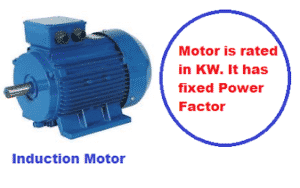
Why Motor Rated in KW instead of KVA?
A motor is rated in kilowatts (kW) because its primary purpose is to produce useful mechanical output power to drive a load. Kilowatts represent the
A motor is rated in kilowatts (kW) because its primary purpose is to produce useful mechanical output power to drive a load. Kilowatts represent the
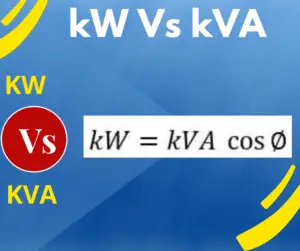
💡 Key Learnings: kW (Active Power): kW measures the real power consumed by electrical equipment to perform actual work. kVA (Apparent Power): kVA represents the
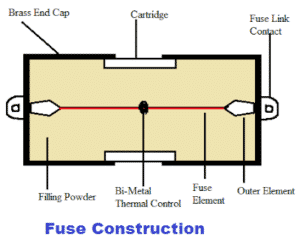
In high-performance power electronics, milliseconds can be the difference between safe operation and catastrophic failure. A semiconductor fuse is specifically designed to protect sensitive devices
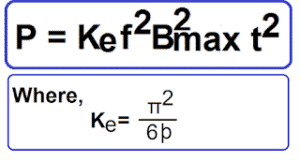
The Eddy Current Loss Formula Derivation is an essential concept for understanding how energy is lost as heat in conductors subjected to varying magnetic fields.
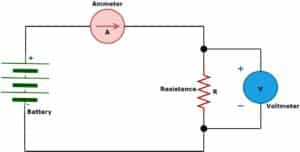
Electrical resistance is one of the most important concepts in electricity and electronics. It describes how strongly a material opposes the flow of electric current
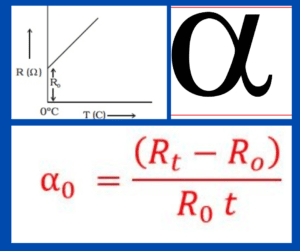
The temperature coefficient of resistance is the parameter that shows the relationship between the variation of resistance with an increase in temperature. The resistance of
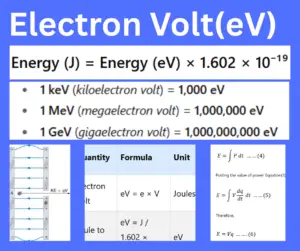
💡 Key learnings: Definition of Electron Volt: An electron volt (eV) is the energy required to move a single electron through an electric potential difference
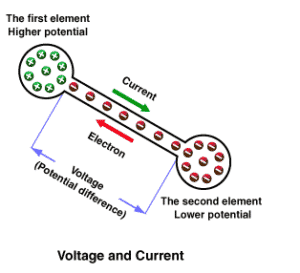
Electric current is the ratio of charge transferred in a given period. In other words, the rate of transfer of electric charge is the electric
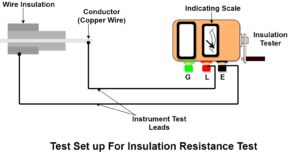
The measurement of insulation resistance is a key test used to check the condition of electrical insulation in equipment and wiring. By measuring how much
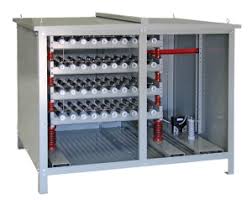
Neutral Grounding Resistors (NGRs) play a critical role in electrical power systems by controlling fault currents and protecting equipment during ground faults. Proper calculation and