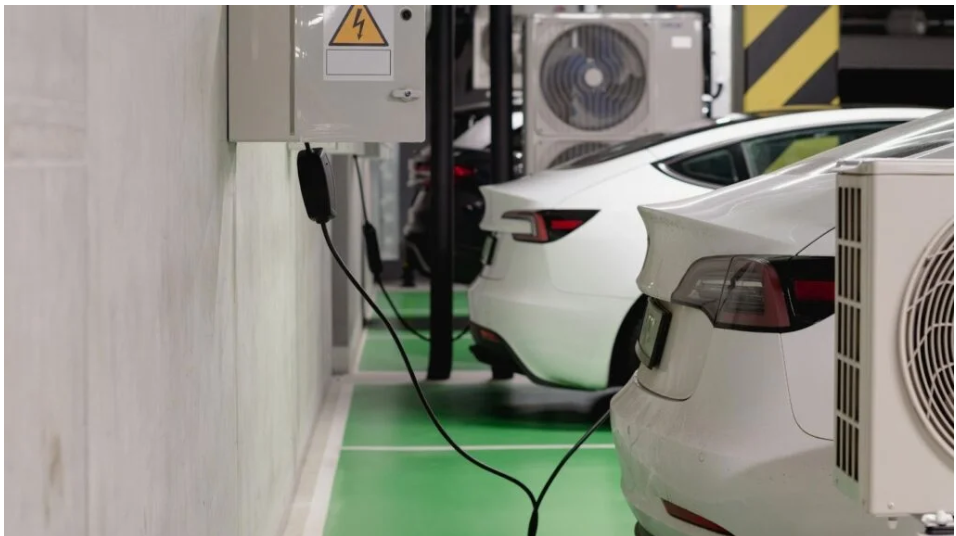
Picking the right electric vehicle chargers for your electric car shouldn’t feel like cracking some impossible code. Here’s the truth: most people who’ve just bought their first EV get overwhelmed fast. Different speeds, confusing power ratings, installation headaches, it’s a lot to process. Choose poorly, and you’re stuck with charging that crawls along, money down the drain, or gear that flat-out doesn’t work with how you actually drive. Consider this: the government just dropped almost half a billion dollars to build more than 9,200 public EV charging ports. That tells you everything about where this market’s heading.
Breaking Down the Basics of EV Charging
Getting your head around electric vehicle chargers means first recognising they’re nothing like pulling up to a gas pump. This isn’t some universal solution that works identically for everyone. What’s perfect for the person next door might leave you frustrated.
How EV Chargers Actually Work
Here’s what happens when you plug in: alternating current from your house or the grid gets transformed into direct current that your battery actually stores. Your car’s built-in charger does this job for slower methods, but the really fast ones handle that conversion outside your vehicle. Modern electric cars also tap into global connectivity features that make your life easier. Finding stations becomes simple; you can track your charging session from your phone, and some even let you schedule everything during cheaper nighttime hours.
Power Ratings and What They Mean
Every charger gets a rating based on the kilowatts it delivers. More kilowatts equal faster charging, right? Well, sort of. Your battery’s management system ultimately decides how fast it’ll actually drink up that power. Picture filling a water bottle, sure, the faucet matters, but that bottle’s opening has the final say.
Voltage and Amperage Explained Simply
Voltage? That’s basically electrical pressure forcing current through everything. Amperage measures how fast it flows. Your typical home charger runs on 240 volts, the same as that dryer in your laundry room. Those commercial fast chargers? They operate at way higher voltages, which explains how they can top you off while you’re grabbing lunch.
Exploring the Different Types of EV Chargers
When you start digging into types of EV chargers, three main categories pop up. They differ massively in speed and practical usability. Each one fits a specific role in how you’ll charge day-to-day.
Level 1: The Basic Home Solution
Level 1 plugs straight into your regular 120-volt outlet. Installation? None needed. Speed? Painfully slow, we’re talking 3-5 miles of range every hour. Here’s when it works: you’re driving maybe 20-30 miles daily, and your car sits plugged in all night anyway. Plug-in hybrids often do fine with Level 1. Full battery-electric vehicles? You’ll probably want something quicker.
Level 2: The Sweet Spot for Most Drivers
These 240-volt stations deliver anywhere from 12 to 80 miles per hour, depending on their amperage. You’ll spot them at malls, your office, and more frequently in people’s garages. Getting one installed at home runs between $500 and $2,000 when you factor in equipment plus electrical labour. Most EVs reach full charge in 4-8 hours with these.
Level 3: DC Fast Charging for Road Trips
DC fast chargers skip your car’s internal converter entirely, pumping power straight to your battery. They’ll restore an 80% charge in 20-40 minutes, an absolute game-changer for highway trips. The catch? Installation costs are astronomical, and they make zero sense for residential use. Plus, you’ll pay premium pricing at public fast-charging locations.
Weighing Your EV Charging Options
Thinking through EV charging options means taking a brutally honest look at your driving habits and where you park. No magic answer exists here; success comes from matching what the charger can do with how you live.
Home Charging Considerations
Own your place with a dedicated parking spot? A Level 2 home charger delivers unmatched convenience and usually costs less per kilowatt-hour than anything public. Renters face trickier situations, though some apartment buildings now include charging amenities. Whatever you do, check your electrical panel’s capacity before dropping money on installation.
Public Charging Networks
Networks like ChargePoint or EVgo run membership programs that cut your per-session costs if you’re hitting public stations regularly. Their apps display real-time availability, current pricing, and which charger types are where. Just remember, public charging typically costs more than home charging. You might also encounter annoying wait times during busy periods.
Workplace Charging Benefits
Does your employer offer free or discounted charging? If so, you might manage fine with slower home charging or even basic Level 1. Worth asking HR what they’re planning if nothing exists yet, tons of companies are actively exploring EV perks right now.
Selecting the Best Electric Car Charger
Tracking down the best electric car charger involves juggling cost against speed and thinking about tomorrow’s needs, not just today’s. Dozens of models flood the market, each with distinct features and wildly different price tags.
Must-Have Features to Consider
WiFi connectivity matters; it unlocks remote monitoring and smart scheduling. Certain chargers play nicely with solar panels or whole-home energy systems. Outdoor installation? You need weather-resistant housing. Cable length determines where you can actually park, so measure your space carefully. Most garages do well with 18-25 feet.
Brand Reliability and Warranties
Established names like JuiceBox, ChargePoint, and Wallbox back their products with solid warranties and customer service that actually responds. Cheaper alternatives sometimes die early or leave you stranded without support. Reading reviews from people who own your exact EV model helps avoid compatibility surprises that occasionally crop up. Never accept less than a three-year warranty.
Smart Chargers vs. Basic Models
Smart chargers cost an extra $100-$300 but deliver scheduling, usage analytics, and integration with utility demand-response programs. Basic models? They just charge when you plug in. If your utility company offers time-of-use rates, those smart features pay for themselves within a year or two by automatically charging when electricity costs pennies overnight.
Learning How to Choose an EV Charger That Fits
Figuring out how to choose an EV charger correctly saves both headaches and cash long-term. Several factors beyond pure charging speed deserve your careful attention.
Matching Charger to Your Car’s Capability
Your EV’s onboard charger has a maximum acceptance rate, usually 7.2 kW or 11.5 kW for newer models. Buying a 19.2 kW charger accomplishes nothing if your car can’t handle that much power. Your owner’s manual lists the exact specification. That said, buying slightly more capacity than you currently need makes sense if there’s any chance you’ll upgrade vehicles within a few years.
Installation Requirements and Costs
Get a licensed electrician to evaluate your electrical panel before purchasing anything. Some houses need panel upgrades to support high-powered chargers, tacking on $1,000-$3,000 to your total project cost. The distance from the panel to the charging location also impacts installation expenses. Good news: many utilities offer rebates covering 25-50% of equipment and installation.
Understanding Your Daily Driving Needs
Calculate your typical daily mileage, then add buffer room for unexpected trips. Driving 40 miles daily? You need roughly 12-15 kWh of charging. A 32-amp Level 2 charger delivers that in about 2 hours. Overbuying capacity wastes money. Cutting it too close creates that awful range anxiety nobody wants.
Comparing Charger Options at a Glance
| Feature | Level 1 | Level 2 | DC Fast Charging |
| Voltage | 120V | 240V | 400–900V |
| Typical Range Added Per Hour | 3–5 miles | 12–80 miles | 150–350 miles |
| Installation Cost | $0 | $500–$2,000 | Not home-suitable |
| Best For | Light daily use, PHEVs | Most EV owners | Road trips, commercial |
| Charging Time (Empty to Full) | 40–50 hours | 4–10 hours | 20–60 minutes |
| Equipment Cost | $0 (included with car) | $300–$1,200 | N/A |
Making Your EV Charging Decision
Your charging solution sets the entire foundation for EV ownership. Start by honestly assessing daily driving distance, parking reality, and budget limits. Most people discover that a 32-40 amp Level 2 home charger combined with occasional public fast charging handles virtually everything they throw at it. Don’t overthink this; even a basic setup beats standing at gas stations in the cold. The charger you’ll consistently use matters infinitely more than owning the absolute fastest option available. Your electric future begins right here with this single confident choice.
Common Questions About EV Chargers
Most places require licensed electricians for 240V installations, and there’s a good chance your homeowner’s insurance won’t cover DIY electrical projects. Professional installation guarantees safety, meets code requirements, and protects your investment.
Most non-Tesla EVs across North America use J1772 connectors for Level 1 and Level 2. Teslas use its own proprietary connector but includes adapters. DC fast charging involves multiple standards, including CCS and CHAdeMO.
At average U.S. electricity rates of around $0.14 per kWh, charging costs approximately $3-$5 to add 100 miles of range. Compare that to $12-$15 for gas in a 30-mpg car. Obviously, rates fluctuate by location and time of day.
Read Next: