Skip to content
Electrical Volt

Electrical Volt

  • Home
  • Q & A
    • Interview
      • Electrical
        • Induction Motor
        • DC Motor
        • DC Generator
        • Synchronous Machine
        • Transformer
      • Instrumentation
      • Electronics
    • MCQ
  • Measure
    • Basics
    • Control Valve
    • Temperature
    • Analyzers
    • Calibration
    • Flow
    • Level
    • Pressure
    • Solenoid Valves
    • Switches
    • Conductivity
    • Humidity
  • Electrical
    • Basics
      • Basic Electrical
      • Utilities
      • Circuit Theory
      • Electrical Laws
      • Electrical Materials
      • Batteries
      • Measurement
      • Maintenance Engg.
    • Machines
      • DC Motor
      • DC Generator
      • Induction Motor
      • Transformer
      • Electrical Drives
    • Power System
      • Generation
      • Switchgear
      • Distribution
      • Transmission
      • Protection
      • Electrical Safety
      • Power Quality
      • cable
  • Automation
    • Communication
    • Control System
    • Fire and Gas System
    • PLC
    • Safety Instrumented System (SIS)
  • Electronics
    • Analog Electronics
    • Communication
    • Digital Electronics
    • Electronic Devices
    • Medical Electronics
    • Power Electronics
    • VLSI
    • Computer
difference between core type and shell type transformer

Difference between Core Type and Shell Type Transformer

The major difference between a core-type and shell-type transformer is that a core-type transformer has two limbs and two yokes, and a shell-type transformer has
Watts Law: What is it? Formula, Examples & Watt’s Law Triangle

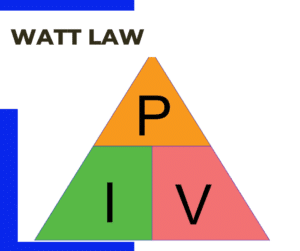
Watts Law: What is it? Formula, Examples & Watt’s Law Triangle

Watts’s law and Ohm’s law describe the relationship between a circuit’s voltage, current, resistance, and power consumption. We are going to discuss Watt’s law in
Instrument Transformer

Difference between Instrument Transformer and Power Transformer

This article describes the major differences between an instrument transformer and a power transformer. A transformer is electrical equipment used for stepping up or stepping down the
Types of Transformer

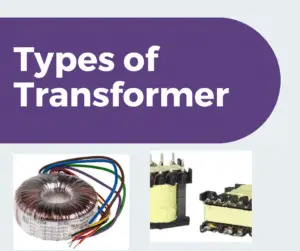
20 Different Types of Transformers: Working and Applications

An electrical transformer is a static electrical device that transfers electrical energy by increasing or decreasing AC voltage and current without changing its frequency. It

Difference Between Intrinsic and Extrinsic Semiconductor

Difference Between Intrinsic and Extrinsic Semiconductor

This article describes the important differences between intrinsic semiconductors and extrinsic semiconductors with their basic description. Semiconductor devices play a crucial role in designing and
Difference Between Electrical and Electronic Devices

This article describes the important differences between electrical devices and electronic devices. Let us first know a bit about electrical and electronic devices. Though both
Difference Between Star and Delta Connection

Difference Between Star and Delta Connection

This article describes the most prominent differences between the star and delta connection and their basic introduction. Electric circuits can be divided into the following
Difference between Magnetic Circuit and Electric Circuit

A circuit is described as a network loop through which an electric current or magnetic field passes. The main circuit components include – the source,

Difference between Semiconductor and Superconductor

In this article, we will discuss the differences between semiconductor and superconductor and their basic description. Based on electrical conductivity, engineering materials are majorly classified
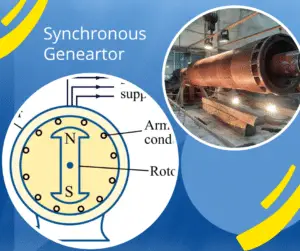
Synchronous Generator-Construction and Working Principle

This article describes the construction and working principle of a synchronous generator (also called an alternator). So, let us start with the basic introduction of

Older posts
Newer posts
← Previous Page1 … Page42 Page43 Page44 … Page118 Next →

RECENT POSTS

  • Op Amp Specifications: Important Parameters Explained
  • Ideal Op Amp or  Ideal opertaional amplifier: Definition, Characteristics, Properties, and Working Principle
  • Diode Turn-On Voltage: Working Principle, Values, and Applications
  • Inductive Reactance: Definition, Formula, Unit, and Calculation
  • Types of Linear Motors
Copyright © 2026 Electrical Volt Contact Us ▪ About Us ▪ Privacy-Policy ▪ Disclaimer