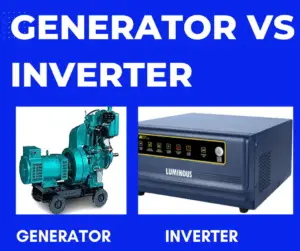
Difference between Generator and Inverter
A generator is an electromechanical machine that converts mechanical energy into electrical energy. While an inverter is an electronic device that converts direct current (DC)
A generator is an electromechanical machine that converts mechanical energy into electrical energy. While an inverter is an electronic device that converts direct current (DC)
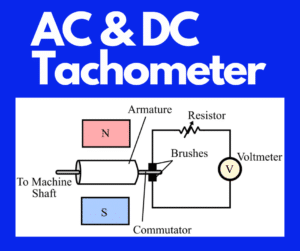
An electrical Tachometer is an electromechanical device that produces an output voltage proportional to the speed. In this article, we will discuss the AC tachometer
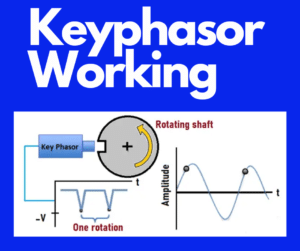
The keyphasor is a transducer installed on the rotating shaft of the equipment. It produces a voltage pulse per revolution of the shaft that is

Cable trays support insulated electrical cables in industrial and commercial settings. There are several types of cable trays, including ladder, perforated, solid bottom, basket, and
The main difference between an isolator and a circuit breaker is that an isolator is an off-load on/off device, while a circuit breaker is an
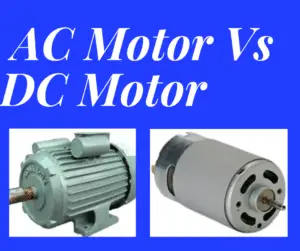
The main difference between AC and DC motors is that AC motors run on alternating current and have a stationary armature with a rotating magnetic
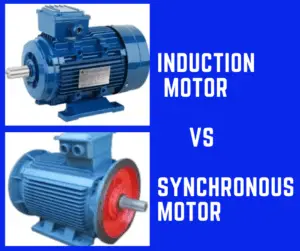
The fundamental difference between Induction Motor and Synchronous Motor is that speed of an induction motor is less than its synchronous speed, while the speed
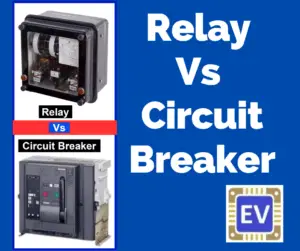
The main difference between the relay and circuit breaker is that the Relays detect the fault and act as a controlling device, on the other
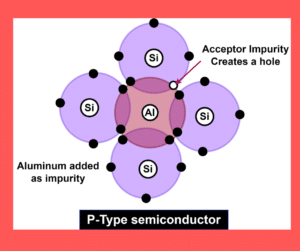
The major difference between N-type & P-type semiconductors is that the N-type semiconductor has free electrons as a majority of charge carriers & holes are
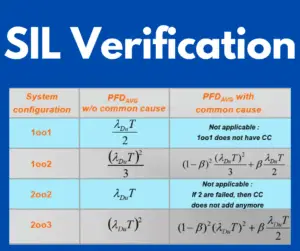
This article describes a comprehensive explanation of various terms which are commonly used in the SIL verification process. For Safety Instrumented Systems (SIS) in the