Electrical insulation is essential in modern industries to ensure safety, reliability, and efficient performance. It protects equipment from short circuits, flashovers, energy loss, and serious electrical hazards in manufacturing plants, machinery, and high-voltage systems.
In this guide, we explore what electrical insulation is, why it matters, the materials used, and how advanced solutions such as high-performance ceramics and GFRP components are the best fit for industrial applications.
What Is Electrical Insulation?
Electrical insulation refers to the materials that resist the flow of electric current. These materials prevent current leakage, protect components from electrical faults, and ensure that electrical energy flows through the electrical conductor.
In simple terms, electrical insulation protects:
- Equipment from damage
- Systems from electrical failure
- Workers from electric shock
- Processes from disruption
Why Electrical Insulation Is Essential in Industrial Applications
Electrical insulation must withstand not only electrical stress but also mechanical, thermal, and environmental challenges.
1. Protection Against Flashovers and Short Circuits
High voltages can create arc discharges or flashovers if insulation fails. Proper electrical insulation prevents unintended electrical paths, ensuring operational safety.
2. Mechanical Load Resistance
In industrial machinery, insulators are often exposed to heavy mechanical loads. Mounting systems, threaded connections, and structural supports must remain stable while maintaining electrical separation.
3. Temperature Resistance
Manufacturing processes often generate high temperatures. Electrical insulation materials must maintain performance even when exposed to significantly elevated thermal conditions.
4. Chemical and Environmental Resistance
Industrial settings may involve moisture, chemicals, abrasion, and impact. Insulating materials must be tailored to withstand these environmental stresses without degrading.
Materials Used in Electrical Insulation
Electrical insulating materials vary depending on the application. The most common include:
- Plastics (thermoplastics and thermosets)
- Rubber compounds
- Glass-fibre reinforced plastics (GFRP)
- High-performance ceramics
In recent years, high-performance ceramics and GFRP materials have increasingly replaced conventional plastics due to their superior properties.
High-Performance Ceramics in Electrical Insulation
High-performance ceramics are becoming the preferred choice for demanding insulation tasks. Their unique combination of properties makes them ideal for industrial applications.
Key Advantages of Ceramic Insulation:
- Exceptional hardness
- High wear resistance
- Outstanding temperature resistance
- Strong impact resistance
- Excellent abrasion resistance
- Anti-adhesion properties
These characteristics contribute significantly to making industrial processes more secure, stable, and quality-focused.
Unlike traditional plastics, ceramic components do not easily deform under heat or mechanical stress. This ensures long-term reliability in environments where performance cannot be compromised.
Glass-fibre reinforced plastics (GFRP) for Electrical Insulation
Glass-fibre reinforced plastics (GFRP) combine strength and insulation properties in a lightweight material. GFRP components are widely used where both mechanical strength and electrical insulation are required.
Applications of GFRP as a Electrical Insulating Mateerial
1. Threaded Bars Made of GFRP Material
Threaded bars made from GFRP are suitable for a wide range of applications. They are particularly effective in insulating threaded connections while maintaining structural integrity.
Benefits include:
- Electrical separation in mechanical assemblies
- High tensile strength
- Corrosion resistance
- Lightweight construction
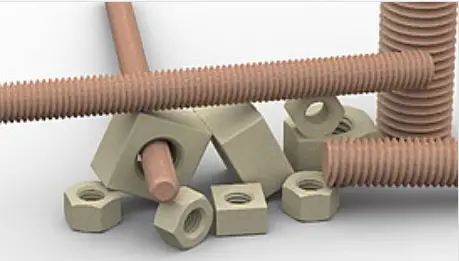
GFRP threaded bars are commonly used in transformer installations, switchgear systems, and industrial machinery where conductive metal fasteners would pose risks.
2. GFRP Nuts
Nuts made from glass-fibre-strengthened plastics are available in square or hexagonal designs. These GFRP nuts provide secure fastening while maintaining electrical insulation between components.
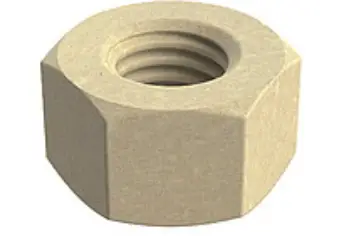
Advantages include:
- High mechanical strength
- Resistance to chemicals and moisture
- Reliable electrical isolation
- Compatibility with GFRP threaded bars
This makes them ideal for use in electrical panels, high-voltage installations, and structural assemblies requiring insulated fasteners.
High-Voltage Electrical Insulation
High-voltage insulation is one of the most challenging areas in electrical insulation technology. It requires advanced electrical insulating materials that can handle extreme conditions.
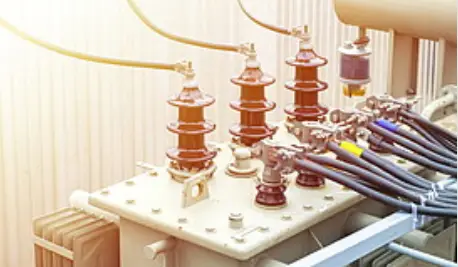
These electrical insulating materials must withstand high electrical stress, resist heat, handle mechanical loads, and remain stable in harsh environmental conditions—all without losing their insulating properties.
In high-voltage systems, even small insulation defects can lead to catastrophic failures. Therefore, materials must be precisely tailored to withstand the electrical and environmental stresses specific to the application.
Modern high-voltage insulation solutions often use advanced ceramic materials and composite structures to meet these rigorous standards.
Screw Head Insulation
During pinning and screwing processes, proper electrical insulation must always be ensured. This is especially important when assembling parts that include both conductive and non-conductive components, as it prevents unwanted current flow and maintains safety.
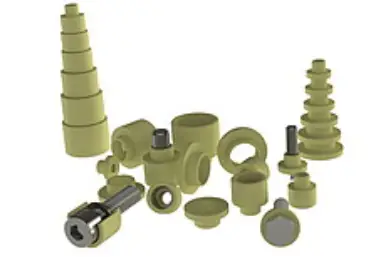
A common solution involves:
- Ceramic cylindrical pins ensuring a positive connection
- A steel screw providing positional and interlocking connection
This combination allows for mechanical stability while maintaining electrical separation. Screw head insulation solutions are widely used in:
- Electrical assemblies
- Control cabinets
- Industrial automation systems
- Power distribution units
By integrating ceramic and steel components strategically, manufacturers achieve both structural strength and electrical safety.
Custom-Tailored Electrical Insulation Solutions
No two industrial processes are identical. As a result, electrical insulating materials must often be customized to match specific challenges.
Key customization factors include:
- Operating voltage
- Temperature range
- Mechanical load requirements
- Environmental exposure
- Chemical resistance
- Installation constraints
Advanced engineering enables insulating materials to be precisely adapted to each application. This ensures optimal performance and long service life.
Replacing Conventional Materials with Advanced Insulators
Traditional plastic insulators have served industry for decades. However, modern manufacturing environments increasingly demand higher performance standards.
High-performance ceramics and GFRP components are gradually replacing conventional plastic materials in many electrical insulation applications because they offer:
- Greater durability
- Higher temperature tolerance
- Improved wear resistance
- Reduced maintenance requirements
- Extended service life
This shift not only improves safety but also enhances process reliability and overall operational efficiency.
Key Industries That Rely on Electrical Insulation
Electrical insulation is critical across numerous sectors, including:
- Power generation and distribution
- Renewable energy systems
- Automotive manufacturing
- Heavy machinery production
- Industrial automation
- Railway systems
- Chemical processing plants
In each of these industries, the failure of electrical insulation can result in downtime, costly repairs, and safety hazards.
How to Choose the Right Electrical Insulation
Selecting the right electrical insulation requires a thorough understanding of application requirements. Consider the following:
1. Electrical Performance
Evaluate dielectric strength, insulation resistance, and voltage rating.
2. Mechanical Requirements
Determine load-bearing capacity and resistance to vibration or impact.
3. Thermal Conditions
Assess operating temperatures and thermal cycling exposure.
4. Environmental Factors
Account for humidity, chemicals, dust, and outdoor exposure.
5. Regulatory Compliance
Ensure materials meet industry standards and safety regulations.
Consulting with experienced insulation specialists can help ensure that the chosen solution meets all performance and safety criteria.
The Future of Electrical Insulation
As industrial systems become more powerful and compact, the demands placed on electrical insulation will continue to increase. Emerging technologies such as electric mobility, renewable energy storage, and advanced robotics require insulation materials capable of handling higher voltages and harsher environments.
Future developments are likely to focus on:
- Enhanced composite materials
- Improved ceramic formulations
- Sustainable insulation materials
- Smart insulation systems with monitoring capabilities
The evolution of electrical insulation technology will remain essential for supporting innovation across industries.
Conclusion
Electrical insulation is far more than a protective layer — it is a fundamental component of safe and efficient industrial systems. From high-voltage insulation to GFRP threaded bars and ceramic screw head insulation, modern materials are engineered to meet complex mechanical, thermal, and electrical demands.
By leveraging high-performance ceramics and glass-fibre reinforced plastics, industries can achieve greater safety, reliability, and long-term cost efficiency.
Whether protecting high-voltage installations or insulating critical threaded connections, the right electrical insulation solution ensures that machines and plants operate securely, efficiently, and without interruption.
Investing in advanced electrical insulation is not just a technical decision — it is a commitment to safety, performance, and operational excellence.
Read Next: